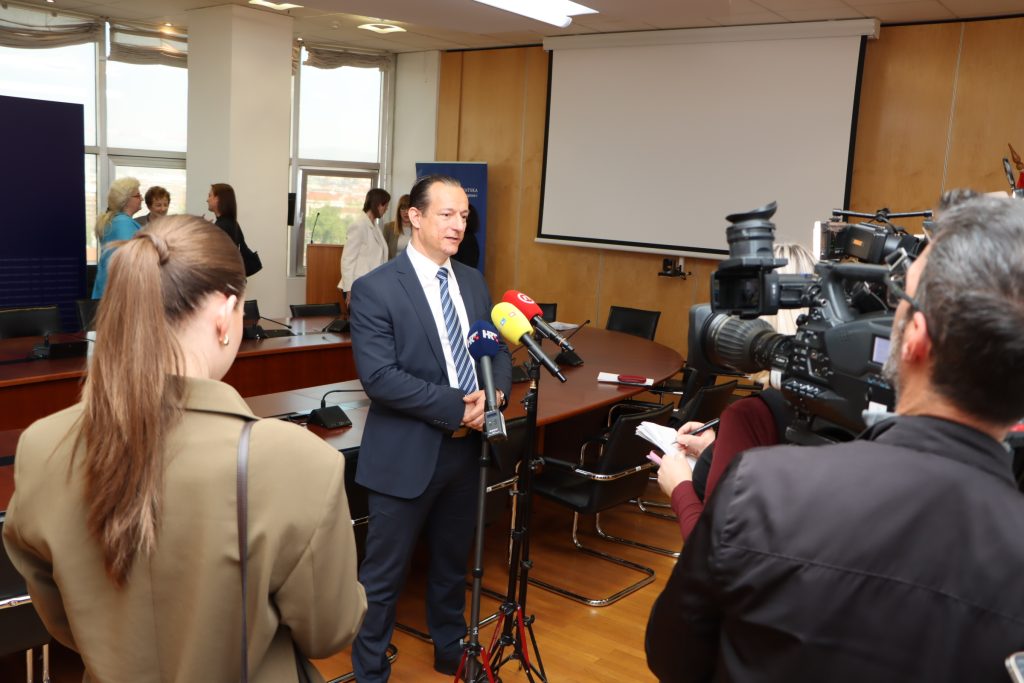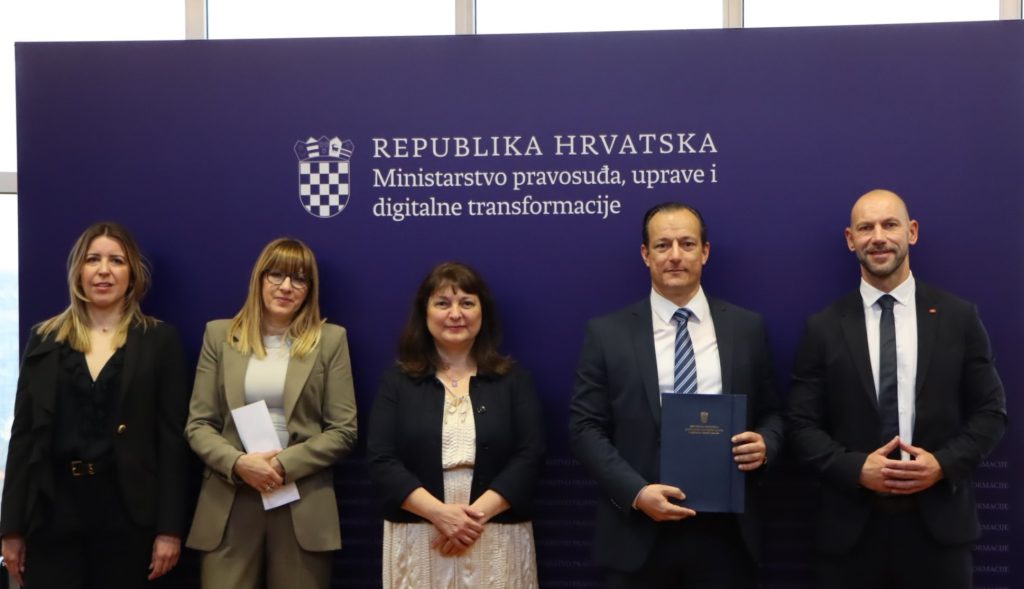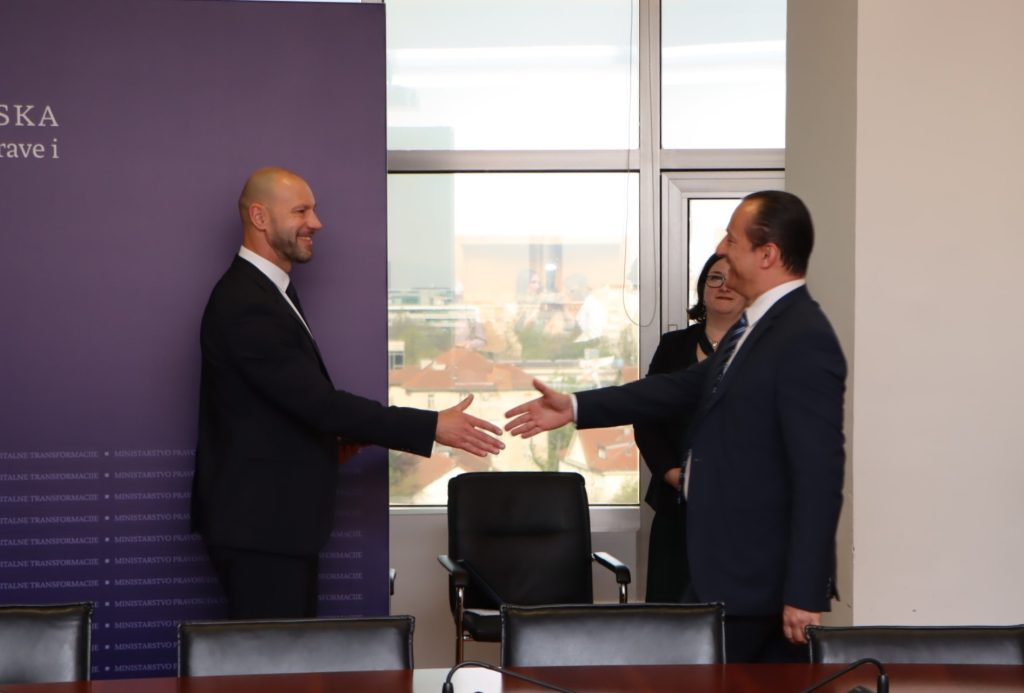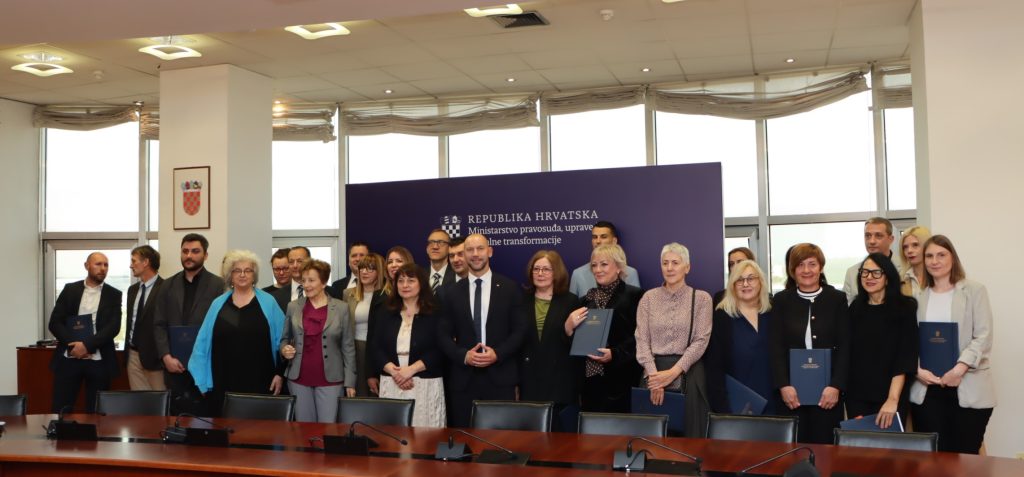
The Faculty of Law in Rijeka has secured the continuation of funding for its Legal Clinic, ensuring its ongoing operation and further development. On 10 April 2026, the Dean of the Faculty, Prof. Dario Đerđa, signed a new contract with the Ministry of Justice, Public Administration and Digital Transformation of the Republic of Croatia, thereby confirming the importance and sustainability of this project. The contract award is based on the Decision on the Allocation of Financial Resources for the Financing of Projects of Authorized Associations and Law Faculties for the Operation of Legal Clinics Providing Primary Legal Aid from the State Budget of the Republic of Croatia for 2026, ensuring funding for a new three-year period from 2026 to 2028.
The Legal Clinic was established in 2021 within the framework of the project “Praxis Iuris: Free Primary Legal Aid and Professional Practice,” and since then it has continuously contributed to improving access to legal protection and strengthening the connection between academia and society. For years, the Legal clinic has been providing free primary legal aid to citizens of lower socio-economic status, while at the same time enabling students to gain valuable practical experience through work on real cases. In this way, theoretical knowledge is connected with concrete social needs, contributing to the development of social responsibility and professional competencies of future legal professionals.
The Legal Clinic operates under the leadership of Associate Professor Dejan Bodul, with Martina Smojver, mag. iur., serving as Deputy Head. Students involved in the Clinic’s work develop professional skills, adopt the ethical standards of the legal profession, and gain direct experience in working with clients.
The secured funding will enable the continuation of the Clinic’s activities and further improvement of the quality of legal aid provided. The Legal Clinic thus remains an example of good practice in higher education, reaffirming the Faculty’s important role not only in education, but also in building a more just and inclusive society.