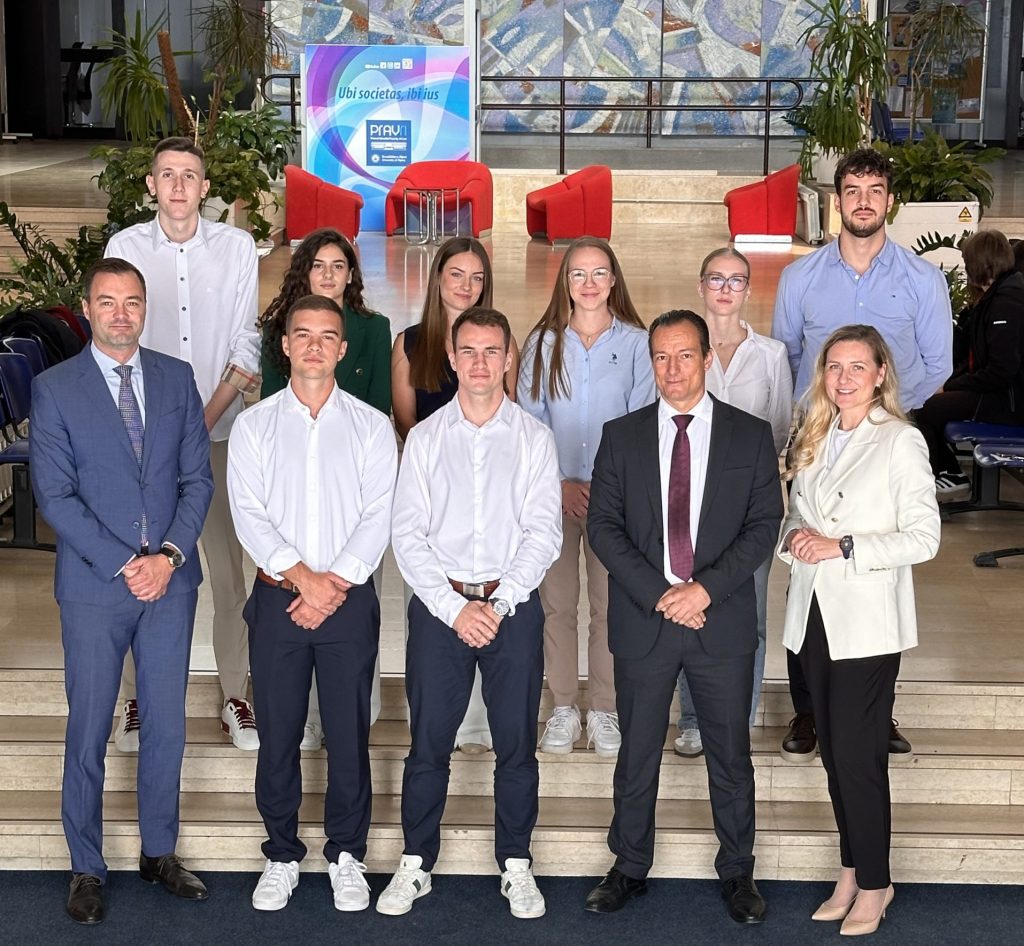
The Student Council acts as the representative body for students, dedicated to improving their quality of life, academic experience, standards, rights protection, and other pertinent student affairs. Through their representation in various Faculty committees and task groups, the Council actively engages in decision-making processes. Additionally, the Student Ombudsman, appointed by the Council, provides guidance to students on exercising their rights and advancing their interests by contributing to the development of regulations and legislation.
Moreover, the Council regularly organizes a plethora of events, lectures, workshops, and conferences to familiarize students with the intricacies of the legal profession while honing their skills and competencies. Furthermore, the Council undertakes humanitarian initiatives, such as operating a social grocery store for financially disadvantaged individuals and gathering humanitarian aid for marginalized communities.
A noteworthy project of the Council is the Career Days, designed to support students in their job search and equip them with the necessary skills for the labor market. This initiative involves participation from legal professionals, law firms, judges, corporate representatives, and prominent figures from the public and political arenas. Additionally, the Council hosts the Lawyers’ Ball, providing students with an opportunity to network with peers, professors, and legal practitioners in a different setting.
Moreover, the Student Council fosters interdisciplinary academic collaboration by organizing conferences in partnership with students from other disciplines. A notable example is a two-day conference on Legal Challenges in Tourism, organized in collaboration with the Student Council of the Faculty of Tourism and Hospitality Management. This conference facilitated discussions on pertinent legal issues in the tourism sector, with students serving as panelists alongside professors and industry experts.
Who is SZPRAVRI?
Presidency
| Elena Bašić | President SZPRAVRI, elena.basic@student.uniri.hr |
| Toma Medanić | Vice President SZPRAVRI, tmedannic@student.uniri.hr |
| Nikola Dlaka | Head Secretary SZPRAVRI, ndlaka@student.uniri.hr |
| Ines Milinović | Representative in the Assembly SZSUR-a, imilinovi@student.uniri.hr |
| Marin Đurđević | Substitute Representative in the Assembly SZSUR-a, mdurdevic@student.uniri.hr |
The Assembly
University Integrated Undergraduate and Graduate Study Program in Law
| Members | Substitute |
|---|---|
| Elena Bašić | |
| Toma Medanić | Roko Škrobonja |
| Nikola Dlaka | Stela Fafanđel |
| Ines Milinović | Marin Đurđević |
| Marin Đurđević | Klara Kurtović |
| Ema Milotić | Stela Fafanđel |
| Tia Franović | Natali Marčelja |
ACTIVITIES
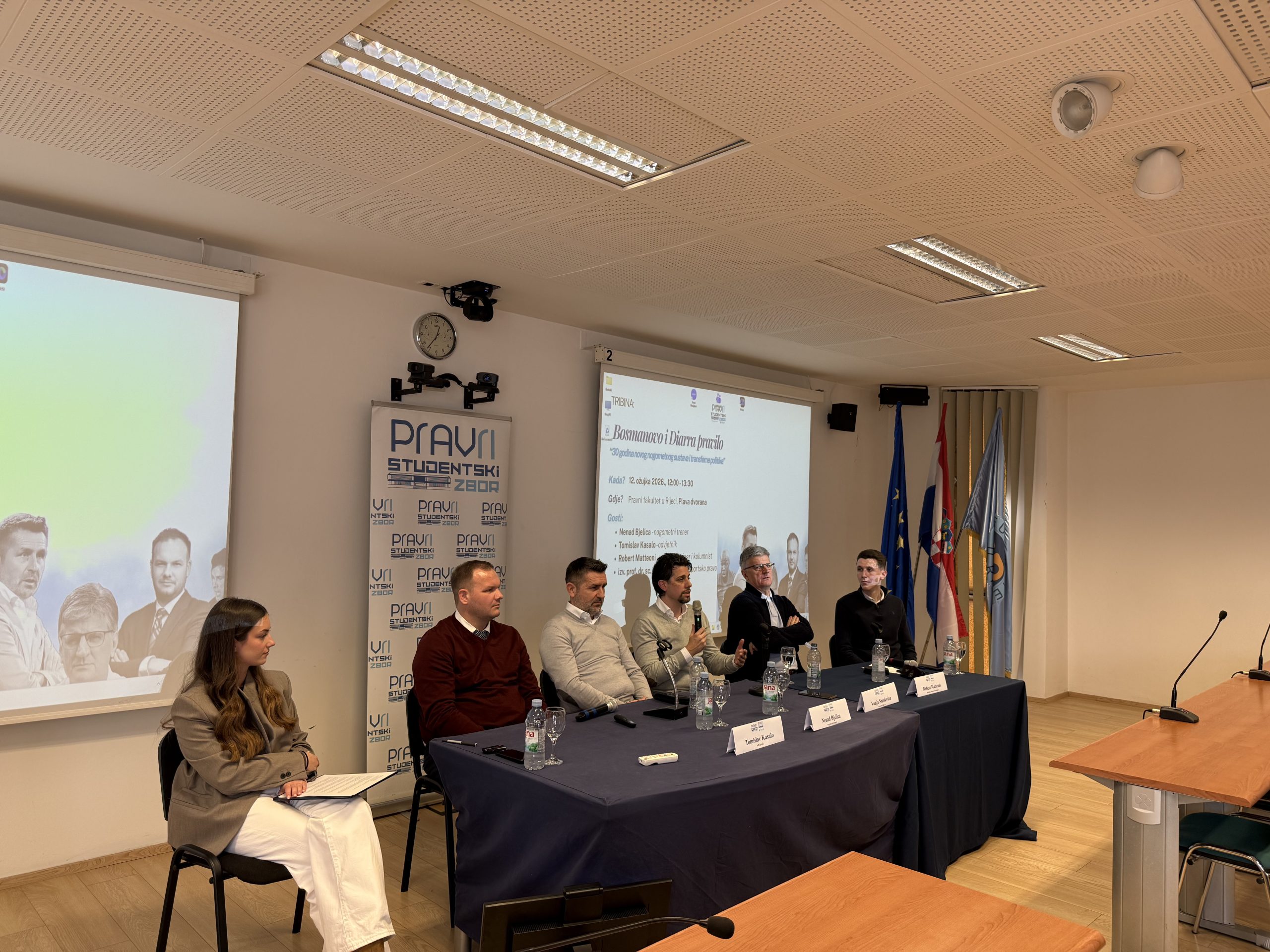
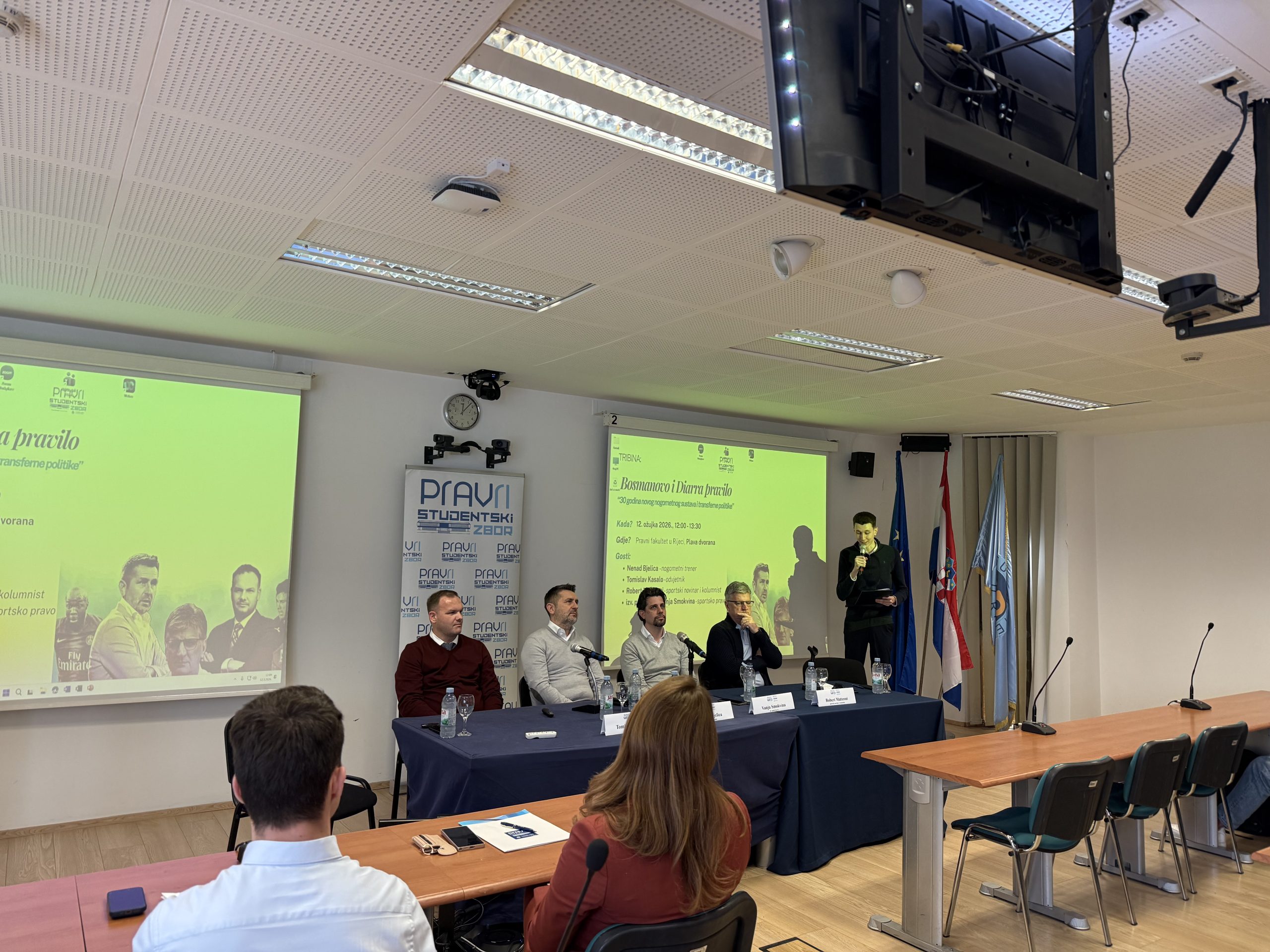
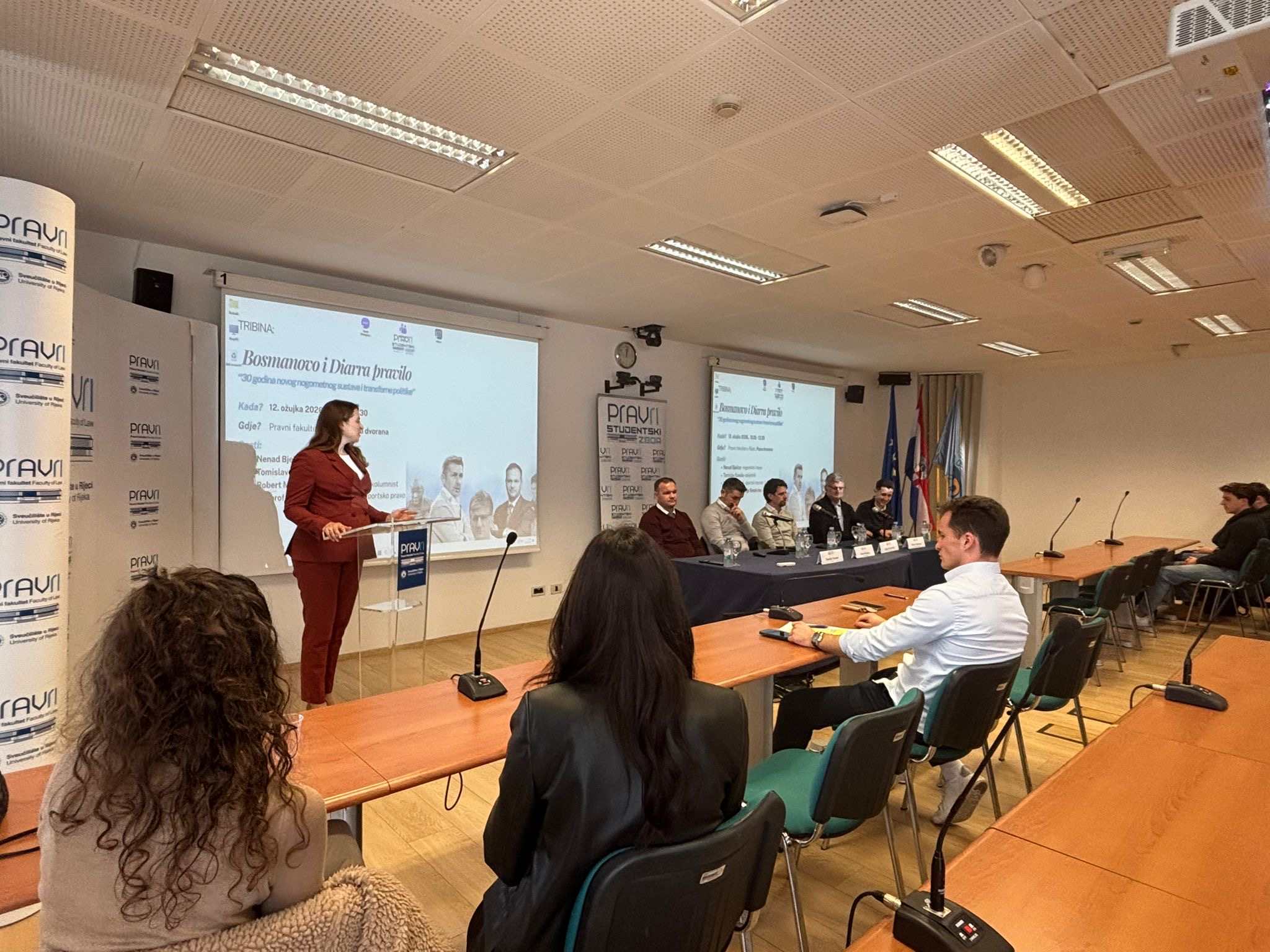
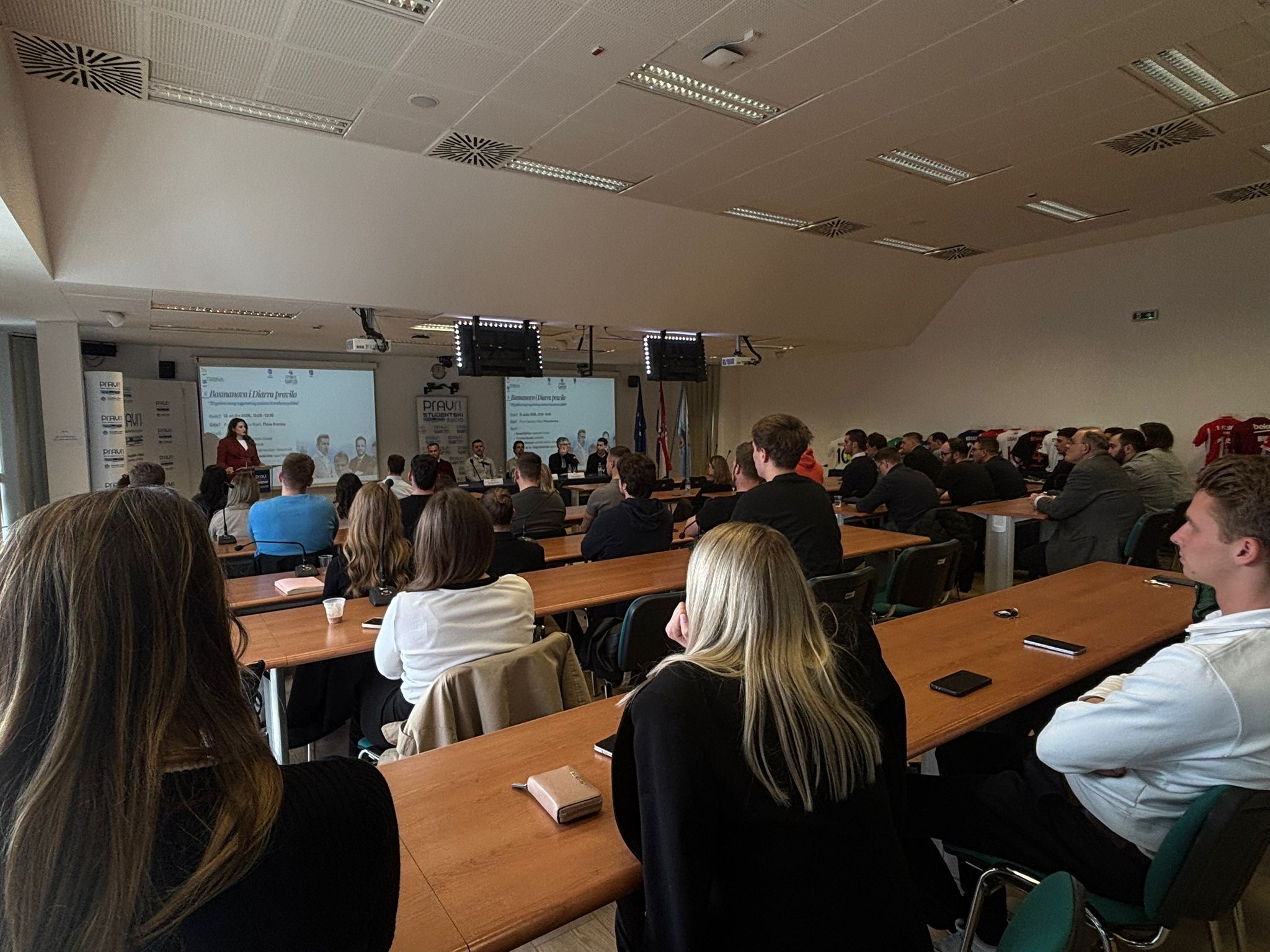
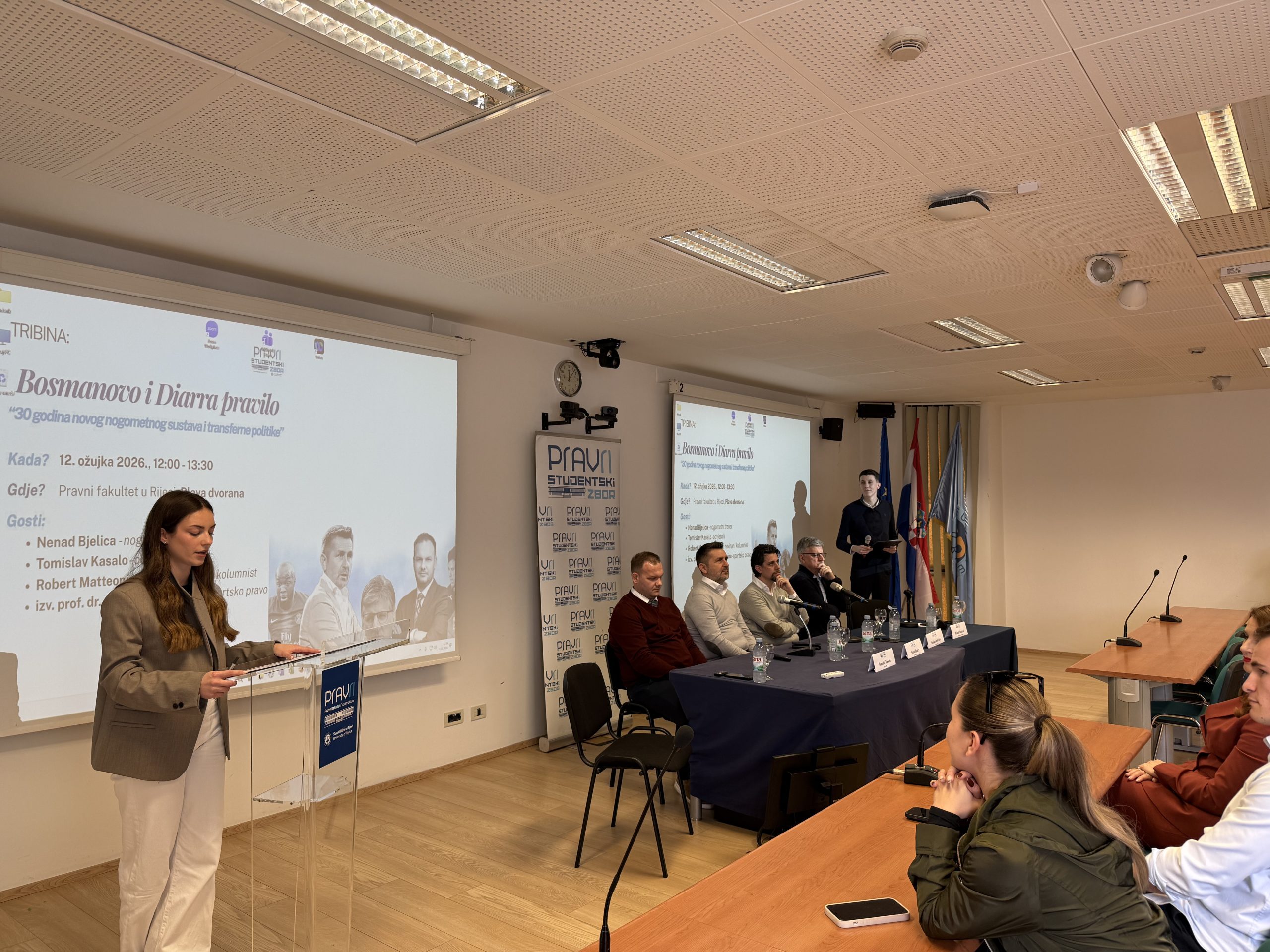
Panel discussion held: The Bosman and Diarra Rulings – 30 Years of a New Football System and Transfer Policy
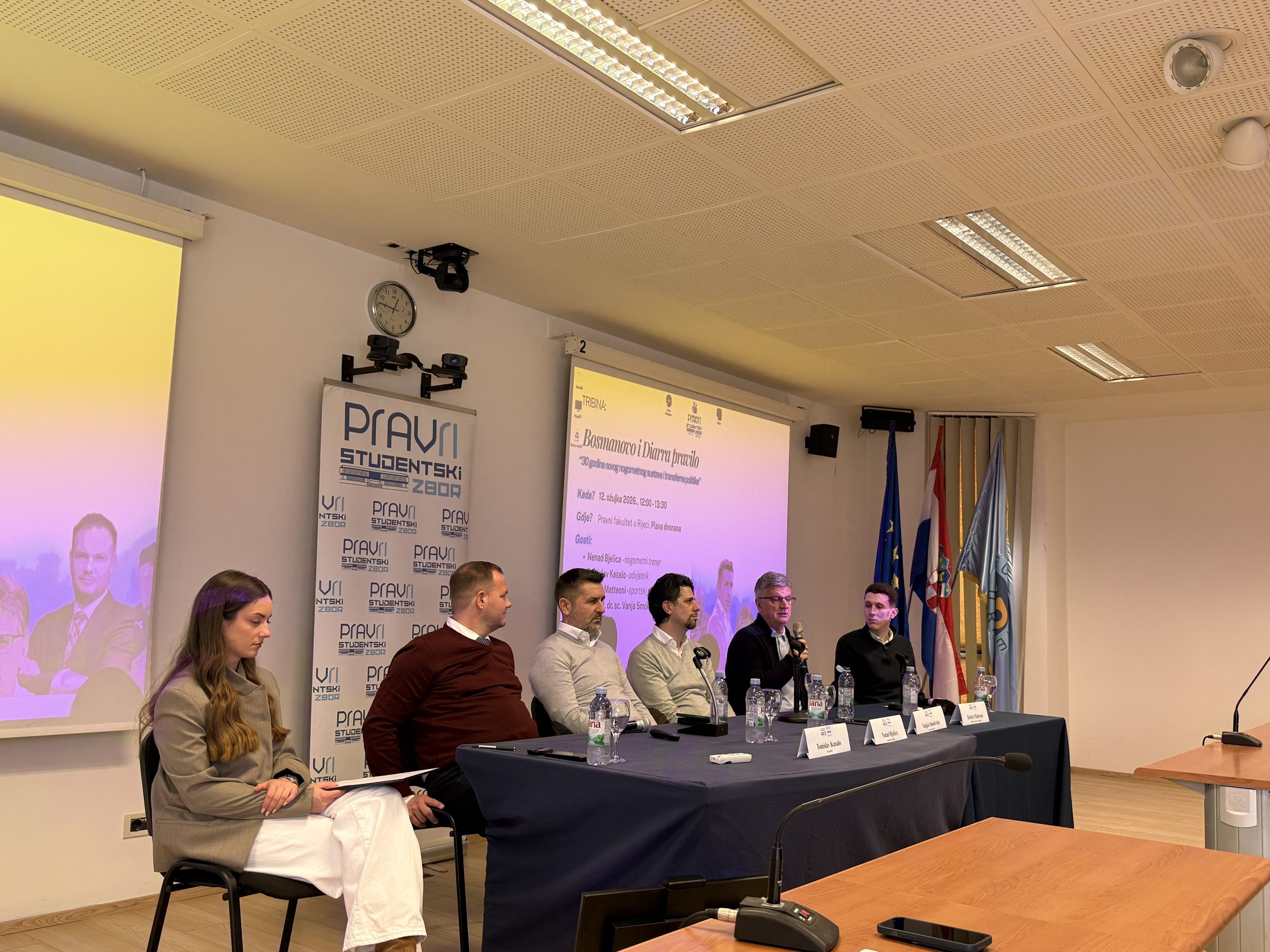
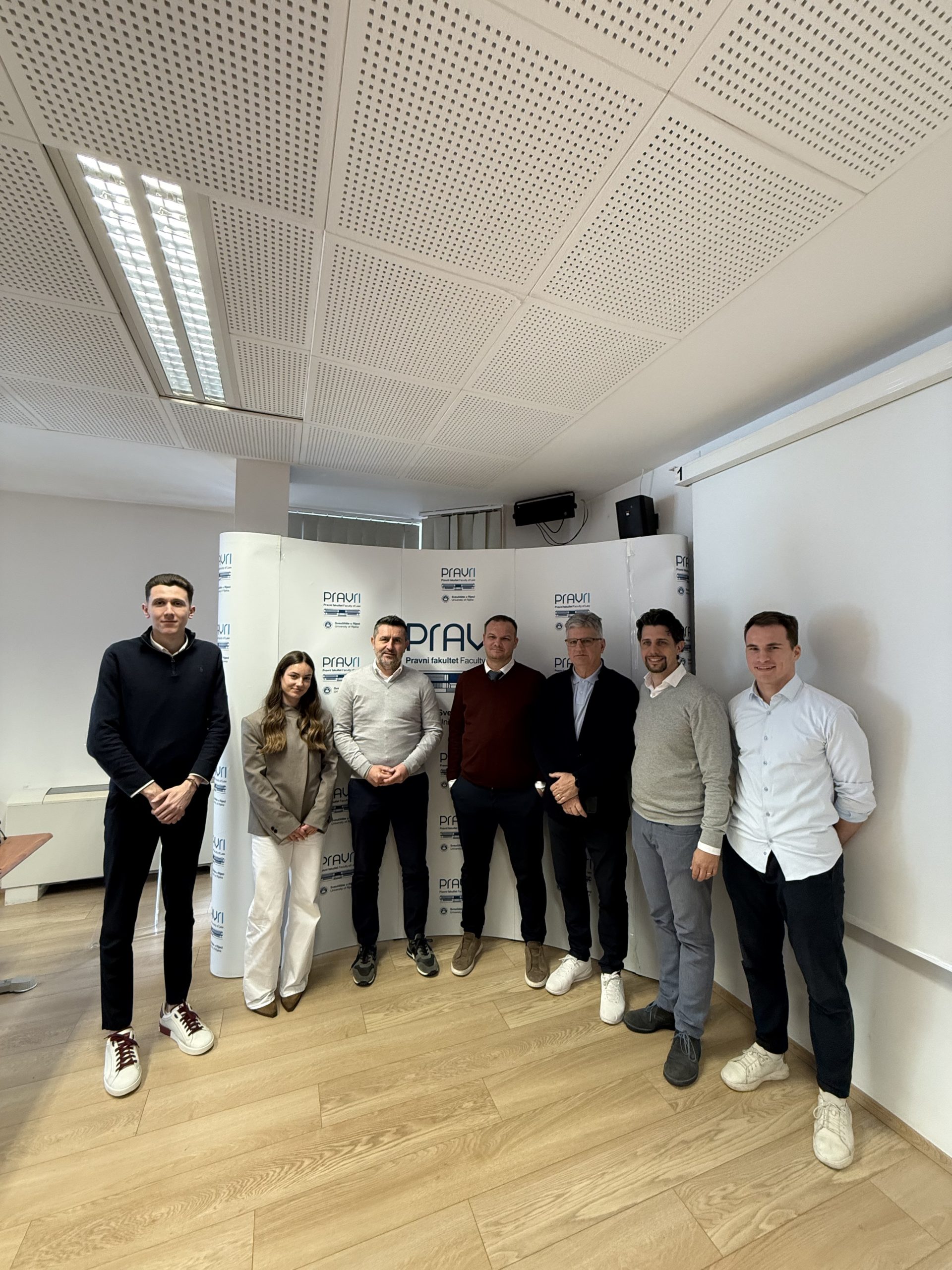
On Thursday, 12 March 2026, a panel discussion entitled “The Bosman and Diarra Rulings – 30 Years of a New Football System and Transfer Policy“, was held at the Faculty of Law in Rijeka, organised by the Student Council. The event was dedicated to one of the most relevant topics in contemporary sport – football transfers. Ahead of the upcoming FIFA World Cup, the panel attracted significant interest, bringing together many students and faculty members. The discussion offered insights into the complex relationships between law and sport from multiple perspectives.
The panel featured distinguished experts and professionals: Nenad Bjelica, Robert Matteoni, Tomislav Kasalo, and Associate Professor Vanja Smokvina. Emphasis was placed on the impact of one of the most popular European court rulings, which, as the panellists highlighted, permanently changed the structure of the football market. The Bosman ruling enabled players to move freely to other clubs upon the expiry of their contracts. On the other hand, the Diarra ruling questions the balance between protecting clubs and safeguarding players’ freedom.
As a football coach, Nenad Bjelica explained how transfers may significantly affect not only a player’s career, but also coaches and the club itself. He also pointed out that the increasing number of foreign players in Croatian clubs is a consequence of the early departure of young domestic players, whose positions are then filled by foreign players, as this is more financially viable for clubs. Robert Matteoni, a sports journalist and columnist, further emphasised the role of the media in shaping public perception of transfers and referred to the fact that the dominance of foreign players limits opportunities for young local players to enter senior football. Professor Vanja Smokvina provided a more detailed analysis of the legal framework and potential directions for future reforms, while attorney Tomislav Kasalo highlighted that Croatian clubs largely rely on player transfers as a key source of revenue.
This event once again confirmed that law plays a key role in shaping football as we know it today, a game that has long since outgrown the boundaries of sport and become a global legal and economic phenomenon.