About the Project
Project title: Protecting the Rights of Vulnerable Persons in Challenging Times: Legal Standards and Current Realities
Project acronym: ZaRIV#vulnerability
Project number: uniri-iz-25-149
Project financing: European Union – NextGenerationEU
Project duration: 1 October 2025 – 30 September 2029
Total value of the project (EUR):
Legal disclaimer: This project is funded by European Union – NextGenerationEU via the Croatian National Recovery and Resilience Plan 2021-2026, in conjunction with the University of Rijeka, Faculty of Law Programme Financing. The views and opinions expressed are solely those of the authors and do not necessarily reflect the official position of the European Union or the European Commission. Neither the European Union nor the European Commission can be held responsible for them.

Project Leader
Name and surname: Assoc. Prof. Dr. Dalida Rittossa
E-mail: dalida.rittossa@pravri.uniri.hr
Project Team Members
ASSOCIATES
- Prof. dr. Marissabell Škorić (PRAVRI), marissabell.skoric@pravri.uniri.hr
- Prof. dr. Sandra Fabijanić Gagro (PRAVRI), sandrafg@pravri.uniri.hr
- Assoc. Prof. Dr. Petra Perišić (PRAVRI), petra.perisic@pravri.uniri.hr
- Assoc. Prof. Dr. Marko Mrakovčić (PRAVRI), marko.mrakovcic@pravri.uniri.hr
- Assoc. Prof. Dr. Sanja Bojanić (UNIRI, Institut za budućnost), sanja.bojanic@uniri.hr
- Assoc. Prof. Art. Darija Žmak Kunić (APURI), darija.zmak.kunic@uniri.hr
DOCTORAL STUDENTS
- Martina Pleško, univ. mag. paed. soc. / University Master in Social Pedagogy (University of Zagreb, Faculty of Education and Rehabilitation Sciences), martina.plesko@erf.unizg.hr
Project Description
Contemporary societies are characterised by profound social turbulence, inequality, and deficits in stability and social inclusion. Interdisciplinary research consistently indicates that, within such conditions, adverse consequences fall most heavily on vulnerable individuals. In this context, the concept of vulnerability has emerged as a central framework for the provision of social services and for the development of systems aimed at protecting the rights of vulnerable persons. As vulnerability remains an insufficiently examined legal construct, the project will investigate its core features, legal nature, and transformative potential. The theoretical component will analyse vulnerability standards in international law and their translation into domestic criminal‑law norms. The empirical component will assess the degree of criminal‑law protection afforded to particularly vulnerable persons in judicial practice, as well as the protection of children from unacceptable behaviour in school settings. The legal and sociological findings on the special status of vulnerable persons will be integrated with philosophical accounts of vulnerability and communicated to the wider community through socially engaged artistic practices, with the aim of improving the actual position of vulnerable individuals.
Project Goals:
- 1. Main Objective: Strengthening social responsibility by improving the legal and actual position of vulnerable persons in Croatia.
- 2. Additional Objective: Enhancing scientific excellence with the aim of improving the legal and actual position of vulnerable persons in Croatia.
- 3. Final Objective: Advancing the protection of the rights of vulnerable persons and achieving a tangible improvement for the community.
Expected Results:
- The project’s research plan is firmly anchored in the objective of strengthening social responsibility, premised on the understanding that the protection of the rights of vulnerable persons constitutes an ethical and legal imperative, as well as a societal necessity. Building on this foundation, the project is expected to generate a broad spectrum of interdisciplinary outcomes. The research will first clarify the normative force of the concept of vulnerability and examine how it contributes to reinforcing the rights of vulnerable persons within the international legal framework. It will further analyse the extent to which international standards have been incorporated into domestic criminal‑law provisions. The empirical component will investigate the practice of municipal and county courts in cases involving violence against close victims, children, and particularly vulnerable persons. This empirical inquiry will be complemented by quantitative data collection on unacceptable behaviour and child vulnerability, followed by focus groups with staff members of primary schools in Rijeka. The theoretical and empirical findings will be enriched through engagement with philosophical accounts of vulnerability, interdependence, and non‑violent forms of (self‑)protection, explored through artistic and cultural practices. By integrating diverse methodological approaches within an interdisciplinary setting, the research team aims to fulfil the project’s ultimate objective: advancing the protection of the rights of vulnerable persons and delivering tangible benefits to the community.
Key Words:
- protection of the rights of vulnerable persons, institute of vulnerability within the international legal framework, criminal‑law protection of particularly vulnerable persons, violence against close persons, child victims of sexual offences, unacceptable behaviour of children in the school settings, philosophical conceptions of vulnerability, vulnerability in socially engaged art
Project Results
Research findings on States’ positive obligations regarding marine environmental vulnerability due to climate change were presented at the 5th International Maritime and Transport Law Conference
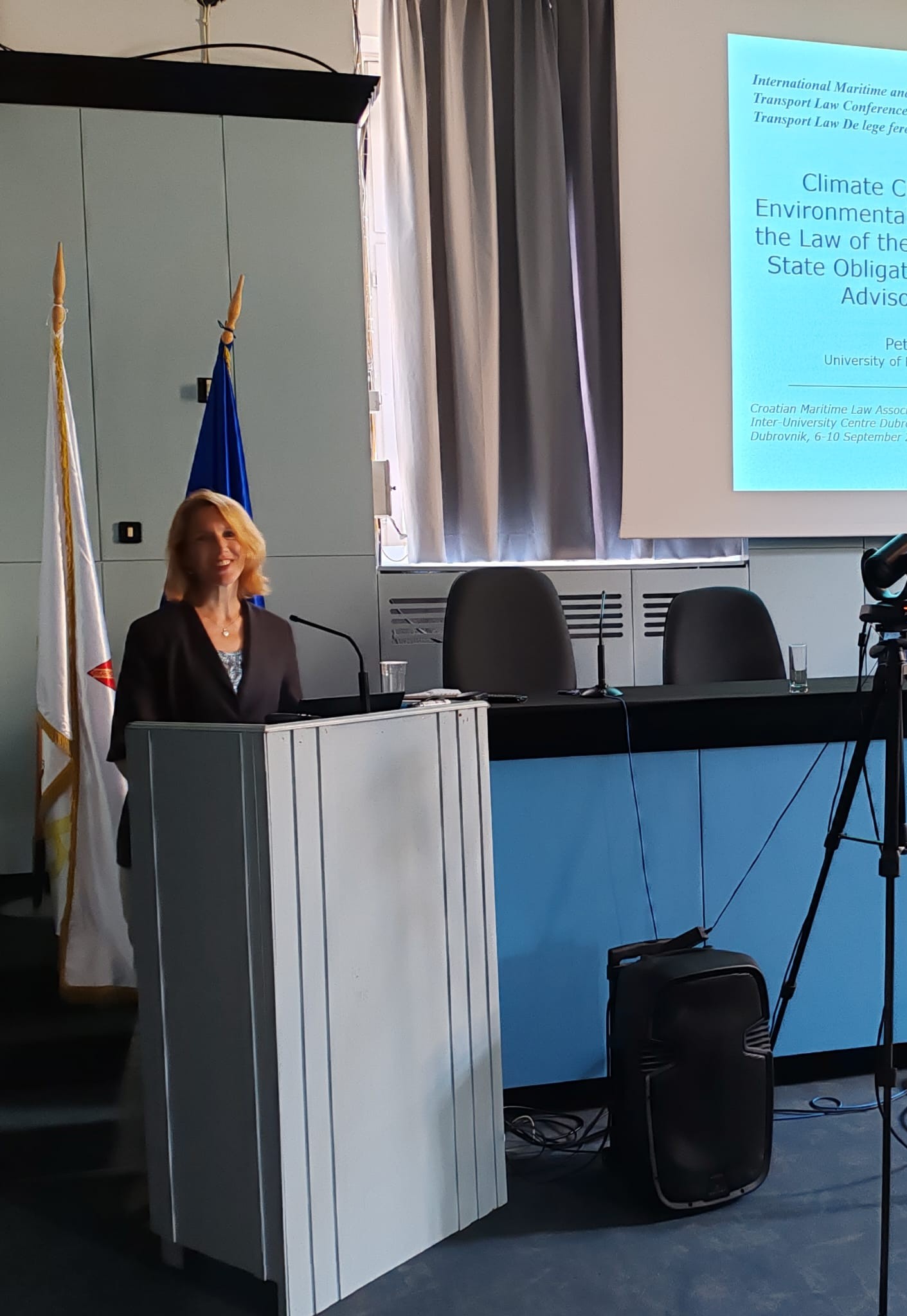
From 7 to 9 September this year, the 5th International Maritime and Transport Law Conference was held in Dubrovnik, continuing its now well‑established tradition of bringing together leading experts in the field. As climate change and its impacts are increasingly and almost irreversibly transforming life on Earth, researcher Perišić examined States’ positive obligations to implement effective measures aimed at reducing the vulnerability of the marine environment, presenting the results of her study in the paper Climate Change, Marine Environmental Vulnerability, and the Law of the Sea: Interpreting State Obligations in the ITLOS Advisory Opinion.
The article by Prof. Dalida Rittossa, PhD, Prof. Marissabell Škorić, PhD, and Prof. Sandra Fabijanić Gagro, PhD, is a new project result
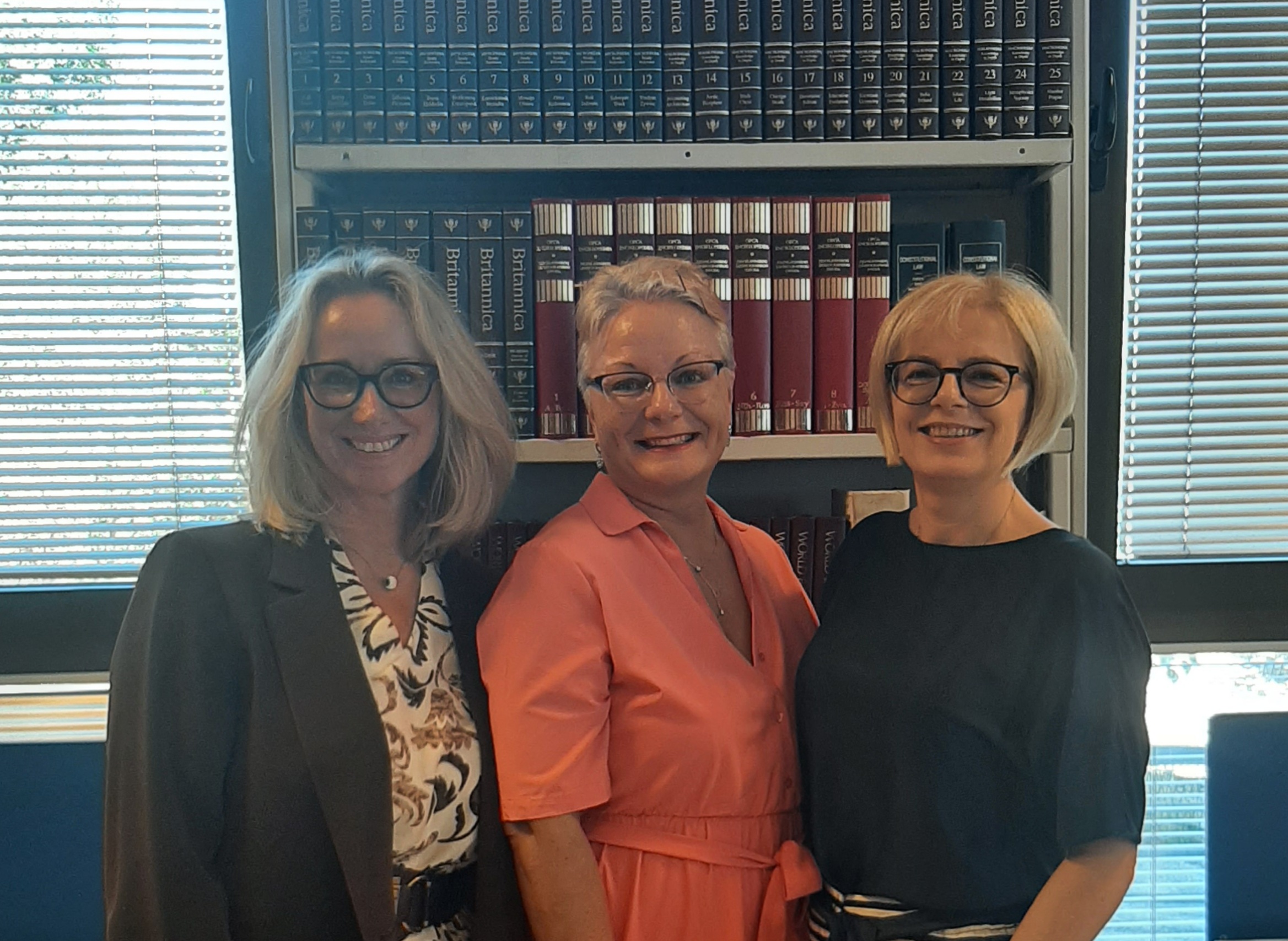
In recent years, various international and regional instruments have been adopted to suppress the sexual abuse of children, a pervasive social issue that crosses national boundaries and therefore demands coordinated, effective interventions. In this context, researchers Rittossa, Škorić and Fabijanić Gagro examined whether legislative interventions on sexual offences against children undertaken in the last three decades have sufficiently aligned national solutions with international guidelines and whether there is scope for further reform. Given that criminal‑law measures constitute only one segment within the broader mosaic of effective actions to combat the sexual victimisation of children, the researchers highlight a pivotal shift by European policy‑makers towards prevention and elucidate the obligations incumbent upon the Croatian legislator pursuant to Directive (EU) 2024/1385.
Dalida Rittossa, Marissabell Škorić, Sandra Fabijanić Gagro, „Ending Child Sexual Abuse – International Standards, Croatian Criminal Legal Framework and Preventive Strategies“, EU and Comparative Law Issues and Challenges Series (ECLIC), vol. 10, 2026, pp. 179-215.
The article by Assoc. Prof. Petra Perišić, PhD, and co-author Karolina Nedić, Mag. iur., is a new project result
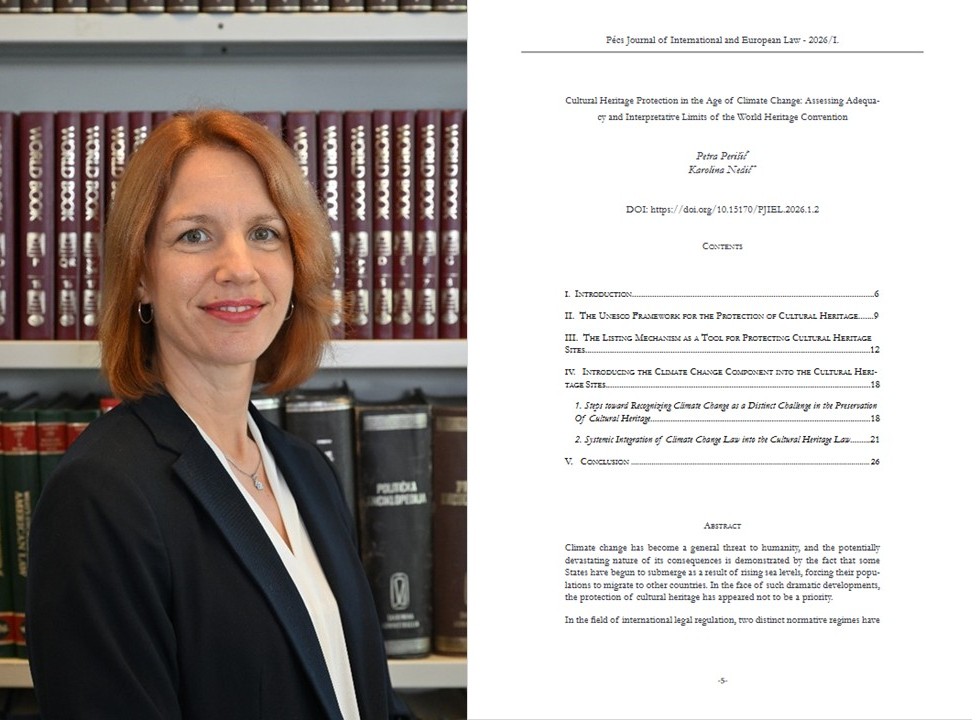
At a time when the consequences of climate change adversely affect numerous individuals, diverse communities, and life as a whole, the issue of heritage protection remains neglected at the margins of political and scientific discourse. In order to shift such an approach, researcher Petra Perišić, together with her co‑author Karolina Nedić, examined the ways in which international legal instruments seek to address issues related to the impact of climate change on cultural heritage. In their effort to articulate a clear interpretative approach to the relevant international documents, the authors conclude that the World Heritage Convention has to be interpreted in conjunction with other relevant documents, including those constituting the international framework to combat climate change. While this approach does not modify state parties’ legal obligations, it supports the adoption of site‑specific measures aimed at safeguarding heritage from climate‑induced harm.
Petra Perišić, Karolina Nedić, “Cultural Heritage Protection in the Age of Climate Change: Assessing Adequacy and Interpretative Limits of the World Heritage Convention”, Pécs Journal of International and European Law, no. 1, 2026., pp. 5-27.
As part of the lifelong learning programme “Law in the Community”, a training session was held for the employees of Srdoči Elementary School
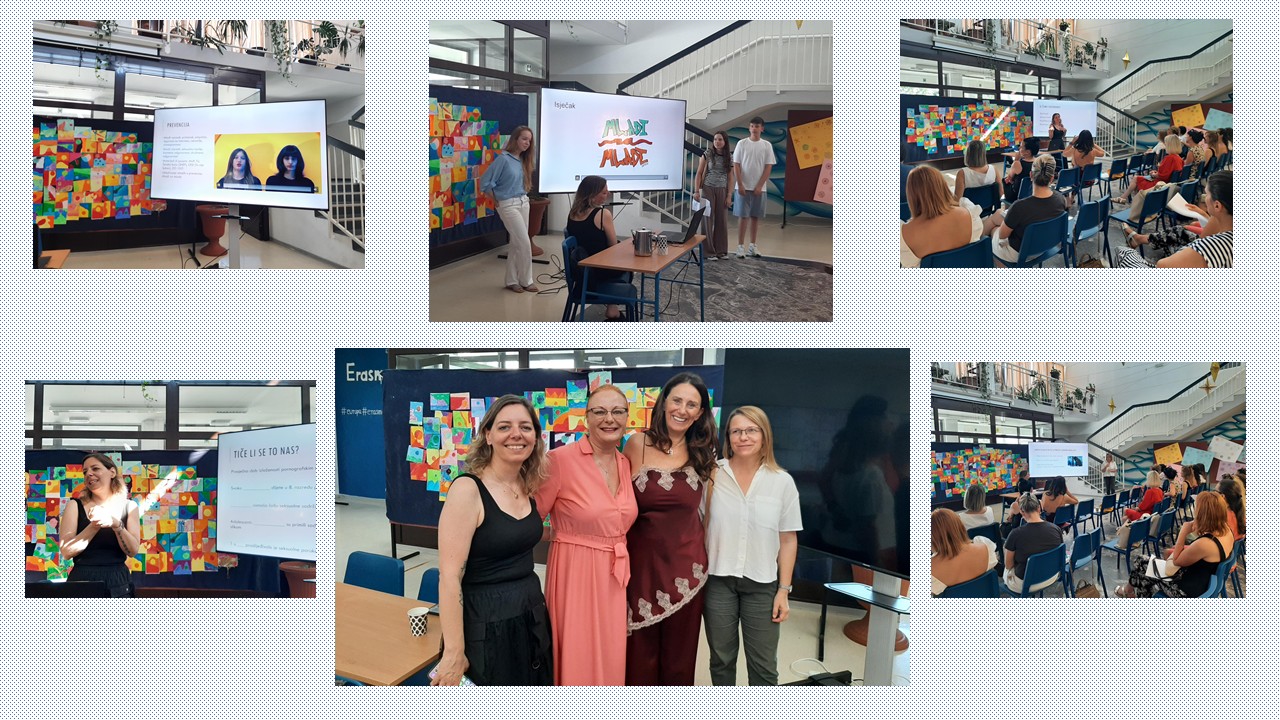
The circumstances under which a student’s disciplinary liability may escalate into criminal liability, as well as the sanctions that may be imposed for unacceptable or delinquent behaviour among young people, were central issues discussed with the staff of Srdoči Elementary School during the training session for teaching and professional staff held on 25 June 2026. As part of the new cycle of training organised under the ‘Law in the Community’ programme, in cooperation with the Community Service Centre Tić Rijeka, the phenomenon of unacceptable student behaviour in the sphere of sexuality and the role of educational professionals in its prevention and suppression were examined in detail in an interdisciplinary setting.
The article by Prof. Marissabell Škorić, PhD, and Prof. Sandra Fabijanić Gagro, PhD, is a new project result
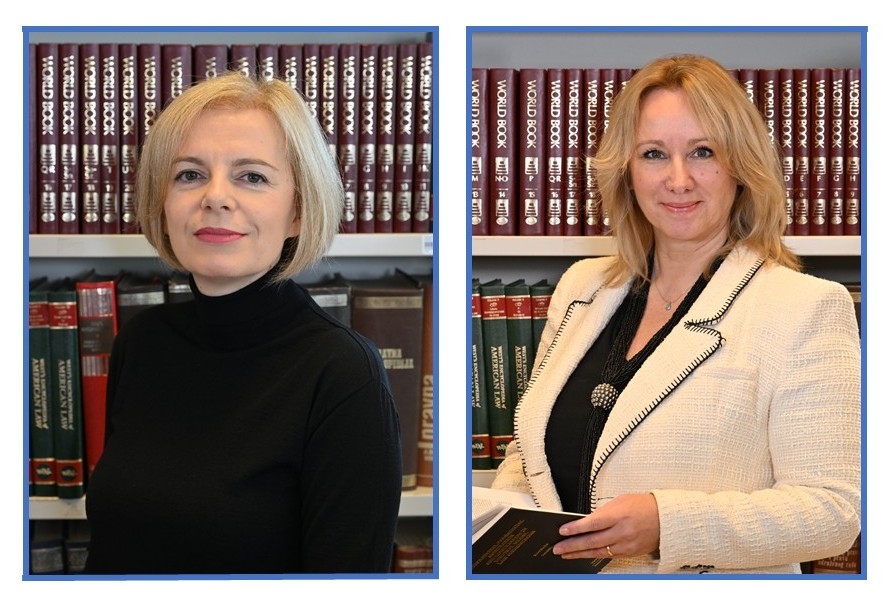
Prof. Dr. Sc. Marissabell Škorić and Prof. Dr. Sc. Sandra Fabijanić Gagro have published the article “Femicide in Focus: From Global Recommendations to Regional Solutions, with Special Emphasis on the Challenges in Implementing the Belém do Pará Convention” in the newly released issue of the Collected Papers of the Faculty of Law in Split. In their contribution, members of our project team explain why the international Belém do Pará Convention has become the foundational normative instrument for shaping national policy responses across Latin American states, and what lessons may be drawn from those jurisdictions. Their research demonstrates that femicide is both a legal and a political issue, and that effective responses to this pervasive social phenomenon must be developed through legislative reform, education, institutional cooperation, and sustained international support.
Marissabell Škorić, Sandra Fabijanić Gagro, „Femicide in Focus: From Global Recommendations to Regional Solutions, with Special Emphasis on the Challenges in Implementing the Belém Do Pará Convention“, Zbornik radova Pravnog fakulteta u Splitu, vol. 63, no. 1, 2026., pp. 105-128
Participants at the Spring Symposium on Medical Ethics, “Ethical Aspects of Surrogate Motherhood”, had an opportunity to gain new insights into the legal framework governing surrogacy and into the concept of vulnerability
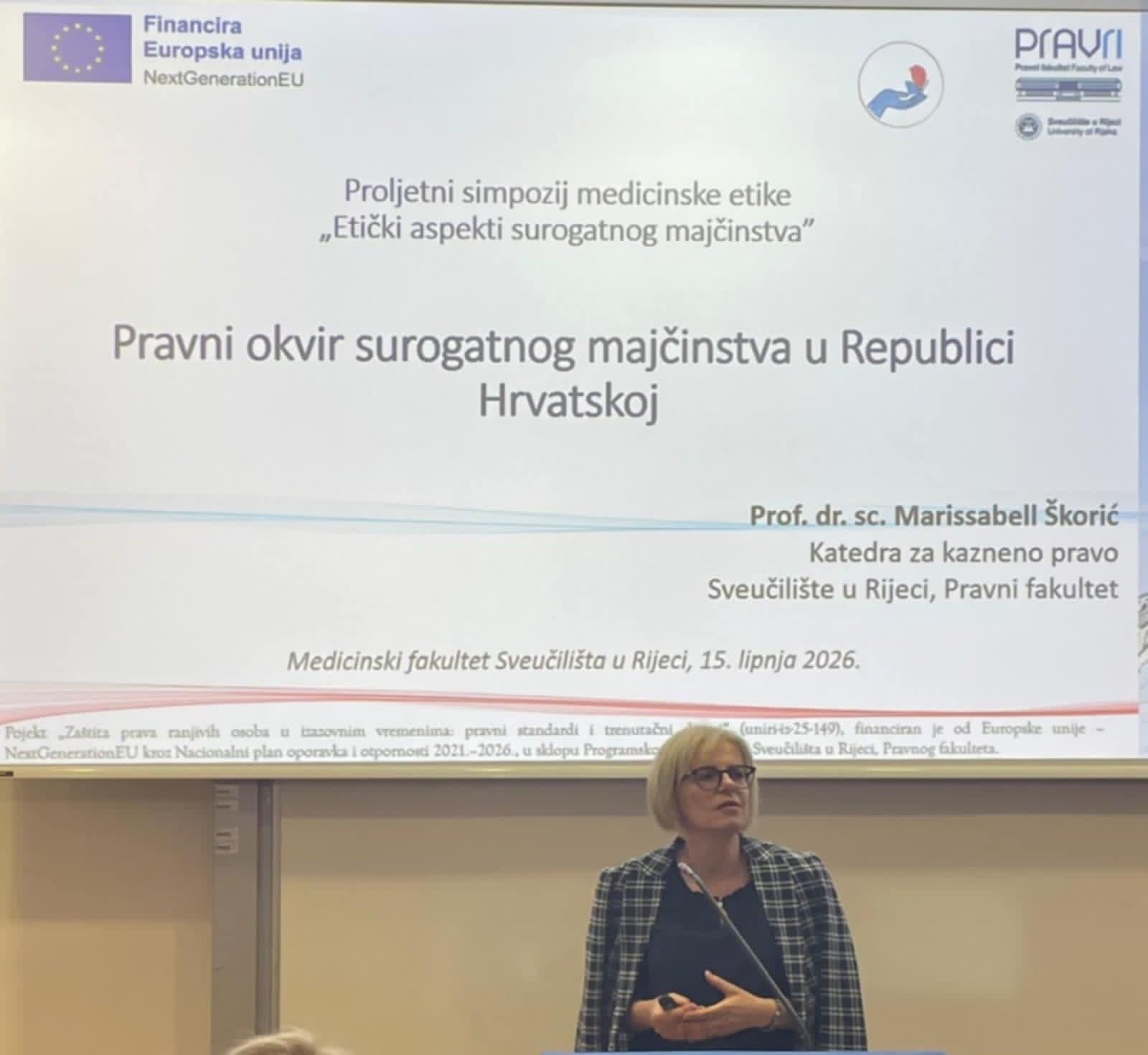
Surrogate motherhood is a subject that exceeds the conventional boundaries of any single discipline and, owing to its inherent complexity, requires the engagement of experts from multiple fields. To elucidate the various dimensions of surrogacy through open interdisciplinary dialogue, the Spring Symposium on Medical Ethics, “Ethical Aspects of Surrogate Motherhood”, was held on 15 June 2026 at the Faculty of Medicine in Rijeka. Prof. Dr Marissabell Škorić delivered a lecture entitled “The Legal Framework of Surrogate Motherhood in the Republic of Croatia”, providing participants with an overview of the legal understanding of surrogacy within the Croatian legal order, as well as relevant comparative approaches. In her presentation, she offered a detailed analysis of the different forms of vulnerability associated with this medical practice and thereby opened a new research avenue within the ZaRIV#vulnerability project.
Research findings on international guidelines and national criminal law strategies for preventing child sexual abuse presented at the tenth ECLIC International Conference
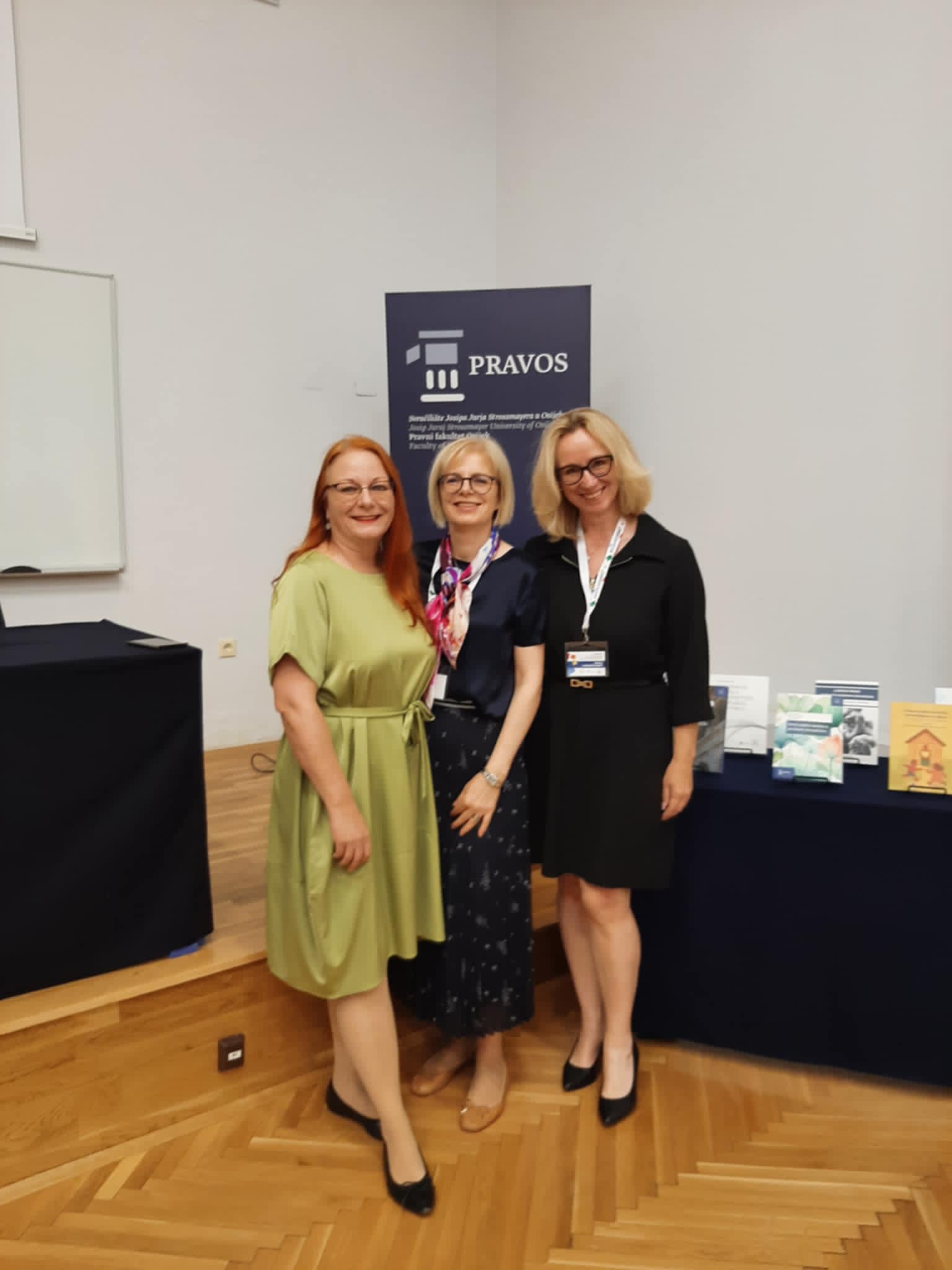
The Faculty of Law in Osijek hosted the tenth anniversary ECLIC International Scientific Conference, “EU as a Global Player: Geopolitical Position of the EU in the New Global Order”, on 11–12 June 2026. The event brought together leading scholars and practitioners to discuss the European Union’s evolving role within the shifting global geopolitical landscape. Researchers Prof. Sandra Fabijanić Gagro, PhD, Prof. Marissabell Škorić, PhD, and Prof. Dalida Rittossa, PhD, presented their paper, “Ending Child Sexual Abuse – International Standards, the Croatian Criminal Law Framework and Preventive Strategies”. Their contribution represents another significant achievement within the ongoing research project and highlights the importance of a comprehensive, interdisciplinary approach to child protection.
The article by Prof. Dr. Sandra Fabijanić Gagro presents a new project result
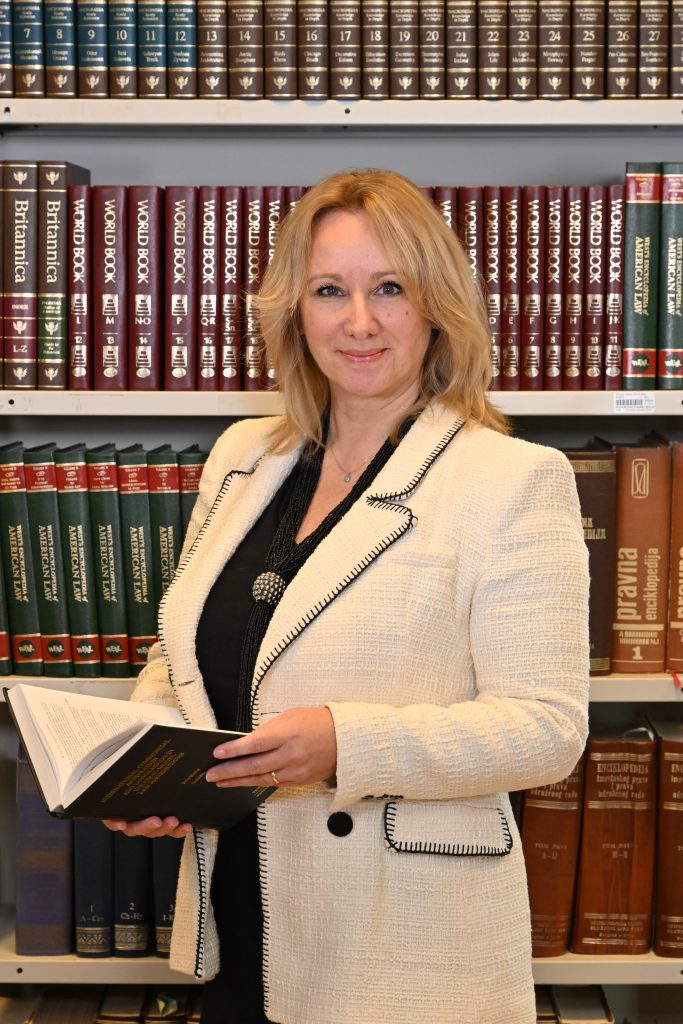
Prof. Dr. Sandra Fabijanić Gagro has published an article entitled “Cultural Heritage – Between Recognition and Denial” in the latest issue of the journal Prawo i Więź / Law and Social Bonds. In examining the very notion of cultural genocide, our project team member begins with the theses advanced by Raphael Lemkin and explains why this concept was ultimately not incorporated into the 1948 Convention on the Prevention and Punishment of the Crime of Genocide. In a dedicated section of the article, Prof. Dr. Fabijanić Gagro further elucidates why debates on cultural genocide continue to persist within academic and professional circles, and what their legal significance is.
Sandra Fabijanić Gagro, „Cultural Heritage – Between Recognition and Denial“, Prawo I Więź/Law and Social Bonds, vol. 61, no. 2, 2026., pp. 273-308.: Link
Presentation of research findings on child sexual abuse in sport at the conference “Women, Children and Youth in Sport – Protection of Elementary Human Rights”
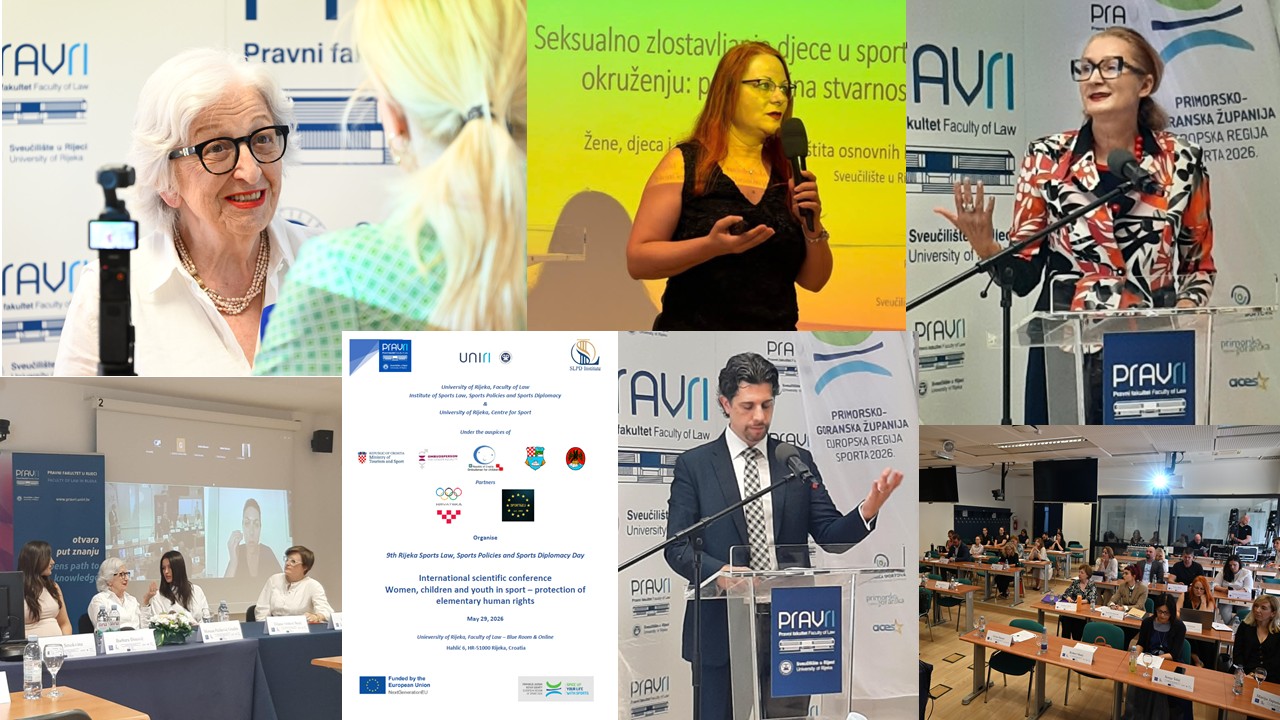
Incidents of child sexual abuse and exploitation within sports environments are appearing with increasing frequency in media reporting. This deeply troubling social phenomenon remains insufficiently examined within academic and professional circles. Seeking to reverse this trend and encourage substantive discussion, Prof. Dalida Rittossa, Ph.D., presented participants at the international scientific conference “Women, Children and Youth in Sport – Protection of Elementary Human Rights”, held on 29 May 2026, with an analysis of Croatian criminal‑law responses and their application in judicial practice. Her paper, “Child Sexual Abuse in Sports Settings: An Oxymoron Reality,” critically addressed the legal and practical challenges associated with recognising and prosecuting sexual abuse in sport, thereby contributing to the broader discourse on safeguarding children’s fundamental rights.
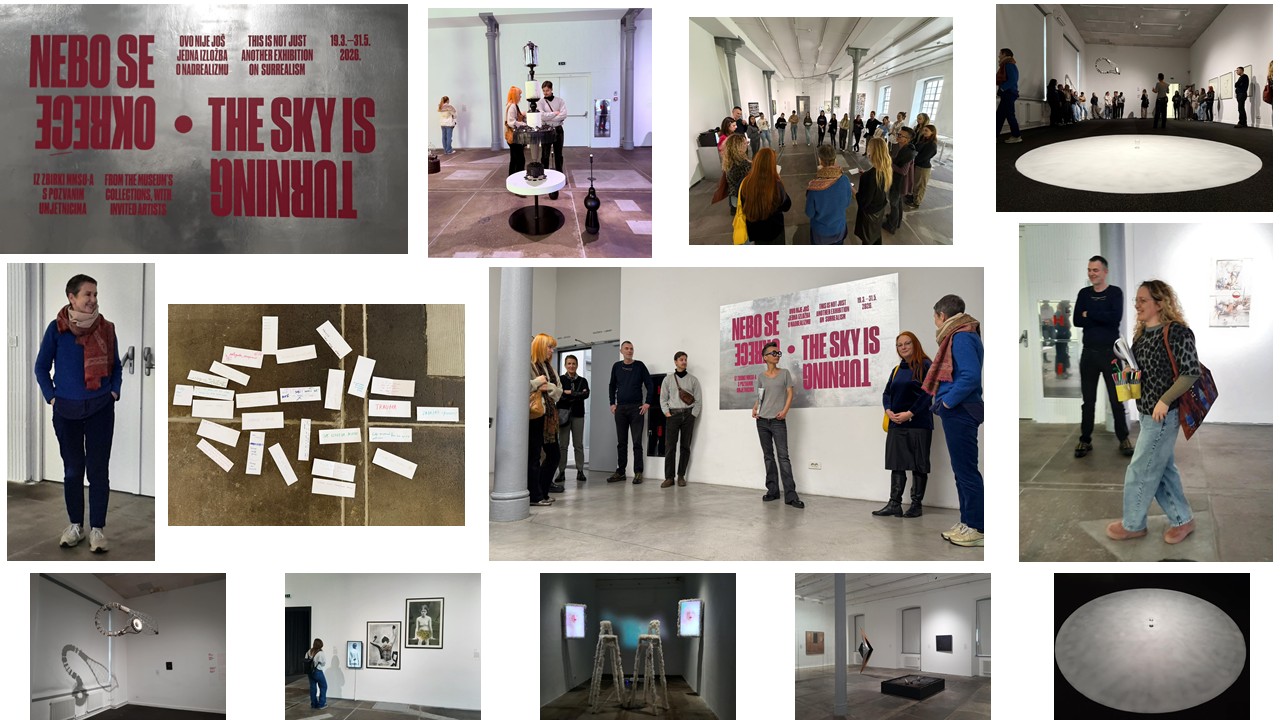
A research workshop entitled “The Sky Turns” conducted at the Museum of Modern and Contemporary Art Rijeka – exploring inspiration, spatial experience, and creativity
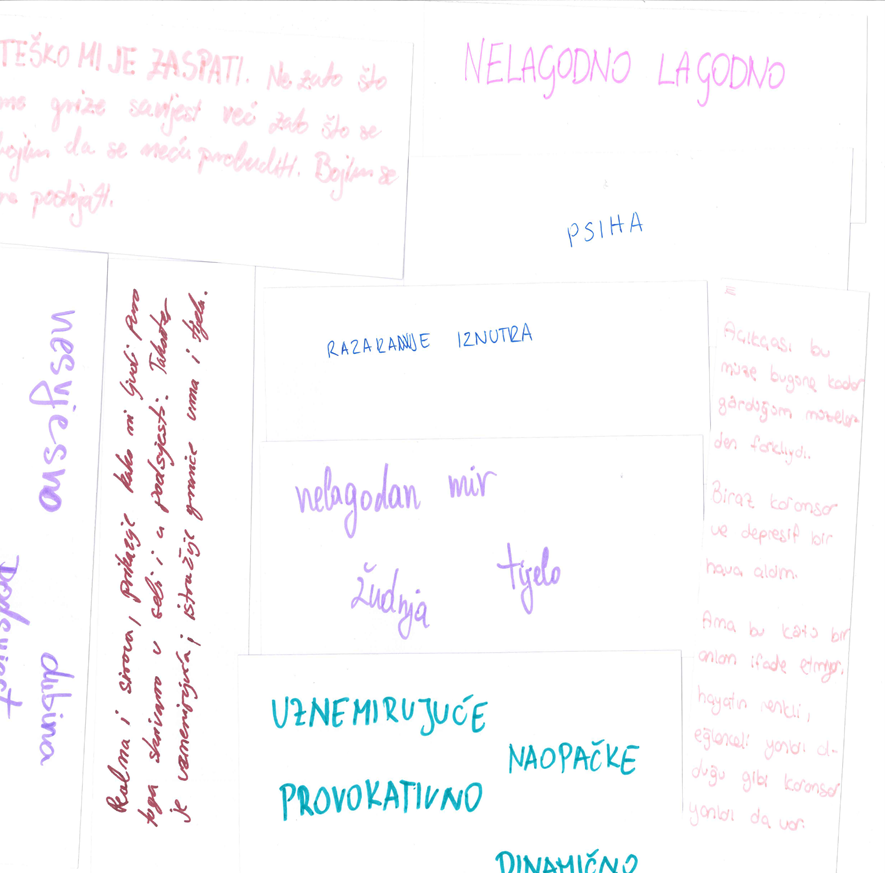
With the aim of making newly generated research outputs from the ZaRIV#vulnerability project accessible to the wider public and suitable for educational use, a pilot workshop titled “The Sky Turns” was held on 26 March 2026 at the Museum of Modern and Contemporary Art Rijeka, as part of field instruction for students of the Academy of Applied Arts. The workshop involved graduate students of Art Education enrolled in Sculpture courses, as well as third‑year undergraduate students in Art Education (AE), Applied Arts (AA), and Graphic Design and Visual Communication (GDVC), who attend the course Semiotics taught by Assoc. Prof. Sanja Bojanić, Ph.D. Students were guided through installations, sculptures, and multimedia works by curator Ksenija Orelj and museum educator Ana Žarković. Following the exhibition tour, students took part in the workshop “Visual Manifesto”, led by Assoc. Prof. Darija Žmak Kunić, Art. A structured dialogue on the legal conceptualisation of vulnerability, the protection of the rights of vulnerable groups, philosophical perspectives, and artistic expression was facilitated by Assoc. Prof. Dalida Rittossa, Ph.D., Assoc. Prof. Sanja Bojanić, Ph.D., and Assoc. Prof. Darija Žmak Kunić, Art. The programme was further enriched by the contribution of expert collaborator Ivo Matulić, psychologist, psychotherapist and group analyst, who added an additional dimension of reflective practice and group dynamics. The workshop enabled students to meaningfully integrate theoretical knowledge with contemporary artistic practice, fostering interdisciplinary engagement, critical reflection and personal artistic development within an inspiring museum environment.
Participants at the international conference “Women in Today’s World” were presented with recent normative interventions aimed at strengthening the legal response to domestic violence in Croatia
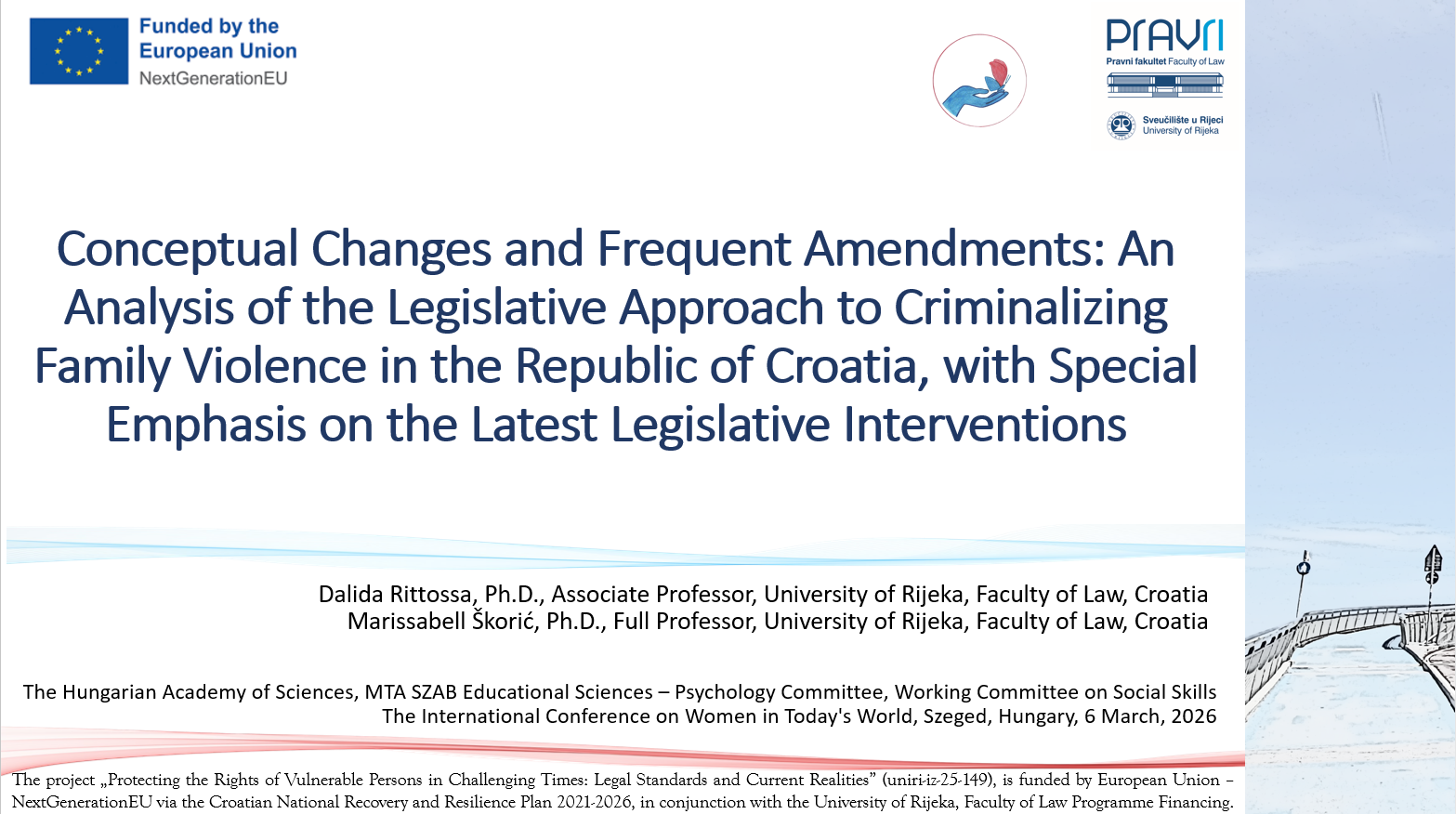
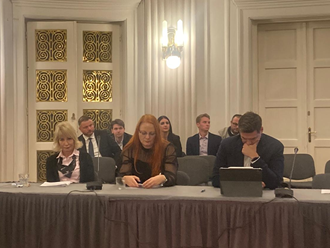
Over the past two decades, the normative architecture governing domestic violence within both the misdemeanour and criminal-law domains in Croatia has been subject to frequent and substantively significant legislative revisions. To provide participants at the international scientific conference “Women in Today’s World” with an informed overview of Croatian criminal-law approaches and their application in judicial practice, researchers Prof. Marissabell Škorić, Ph.D., and Assoc. Prof. Dalida Rittossa, Ph.D., delivered a presentation entitled “Conceptual Changes and Frequent Amendments: An Analysis of the Legislative Approach to Criminalizing Family Violence in the Republic of Croatia, with Special Emphasis on the Latest Legislative Interventions.”
Establishment of cooperation with public institutions and professional associations


Given that the principal objective of the ZaRIV#vulnerability project is to enhance the protection of the rights of vulnerable citizens and to achieve concrete, community‑level improvements, its educational and dissemination activities constitute a core component of its implementation. With the signing of cooperation agreements in January 2026, the research team secured two key partners in advancing the rights of vulnerable groups: the Association of Youth and Family Judges and Specialists, and the Community Service Centre Tić Rijeka.
Presentation of new project findings on juvenile offenders’ culpability at a scientific symposium dedicated to Prof. Emeritus Petar Novoselc, Ph.D.
Prof. Emeritus Petar Novoselc, Ph.D., is regarded as one of the leading figures in contemporary criminal‑law theory, and in honour of his scholarly and professional contributions, a scientific symposium entitled “In memoriam Prof. Emer. Petar Novoselc, Ph.D.: Criminal Justice Between Independence and Responsibility – Real Challenges in Light of the Recommendations of the Rule of Law Report” was held in Zagreb on 16 December 2025. At this event, and with the intention of stimulating further academic debate on the concept of juvenile culpability, Assoc. Prof. Dalida Rittossa, Ph.D., delivered a presentation entitled “The Mistake of Law Through the Lens of Doctrinal Principles on the Culpability of Juvenile Offenders”. Her contribution offered a critical examination of doctrinal misconceptions surrounding the mistake of law and underscored the need for continued theoretical and empirical engagement with the criminal‑law treatment of juvenile offenders.
Research findings on the killing of family members in the case law of the Royal Court in Rijeka presented at the international scientific conference of the Hungarian Academy of Sciences
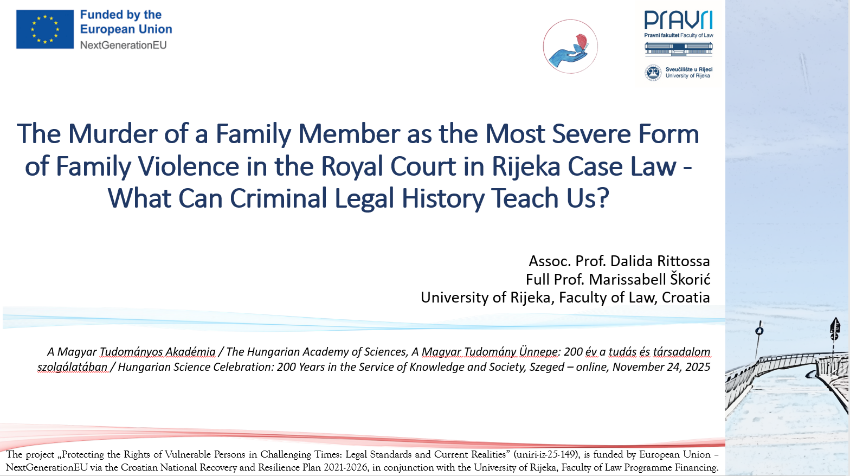
To mark the exceptional bicentennial anniversary of the Hungarian Academy of Sciences, an international scientific conference entitled “The Hungarian Academy of Sciences, Hungarian Science Celebration: 200 Years in the Service of Knowledge and Society” was held in hybrid format on 24 November 2025. With the aim of drawing attention to aetiological insights into the killing of family members, insights that have shaped the understanding of these offences for many years, researchers Prof. Marissabell Škorić, Ph.D., and Assoc. Prof. Dalida Rittossa, Ph.D., presented a conference paper entitled “The Murder of a Family Member as the Most Severe Form of Family Violence in the Royal Court in Rijeka Case Law – What Can Criminal Legal History Teach Us?”. The authors emphasised the need for continued empirical research in the field of criminal legal history.
Within the framework of the lifelong learning programme “Law in the Community”, a series of training sessions for primary‑school personnel has been launched.
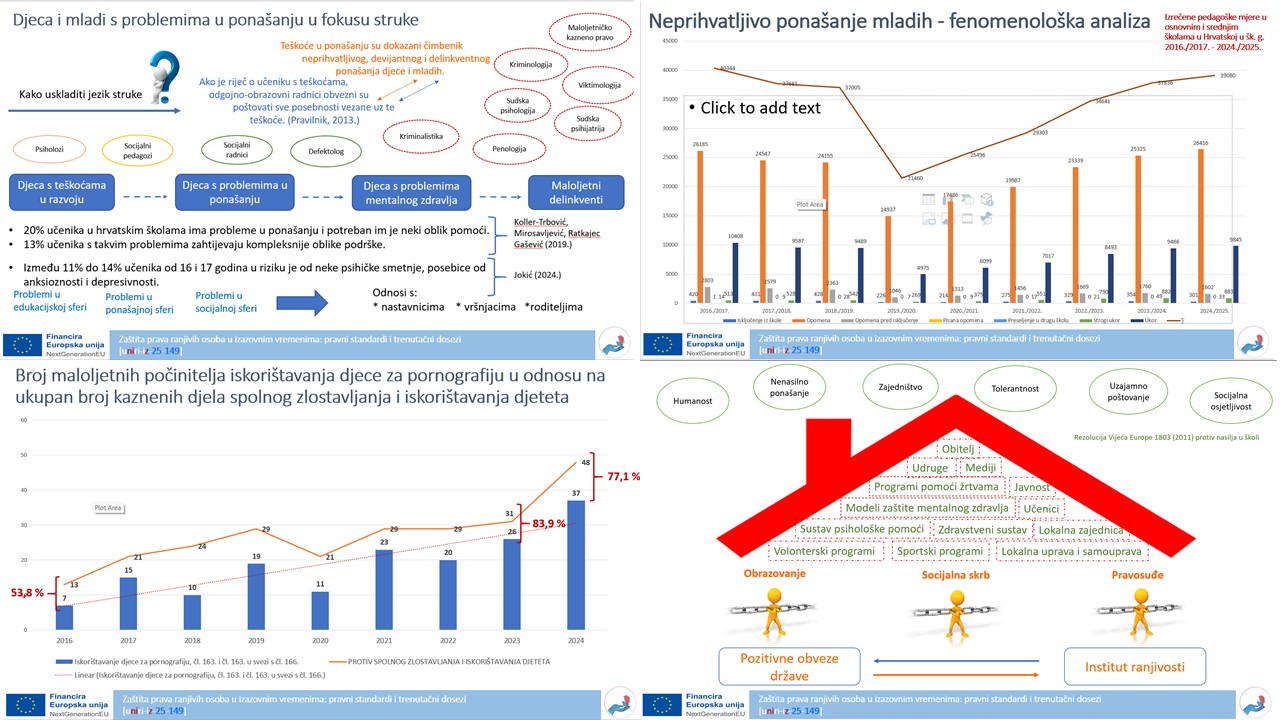
Inappropriate behaviour exhibited by young persons in educational settings, if left without adequate intervention, may indicate an increased risk of subsequent deviant conduct later in life. To underscore the importance of the role of teachers and professional staff in primary schools in preventing undesirable student behaviour in the sphere of sexuality, a series of training sessions has been launched under the programme “Law in the Community”, in cooperation with the Community Service Centre Tić Rijeka. On 19 November 2025, a training session was delivered to the staff of Dolac Primary School on the topic “Preventing Sexual Violence Among Youth: What Must Be Known and How to Respond”. The fundamental aetiological and phenomenological characteristics of inappropriate behaviours, together with the central role of educational professionals, were subsequently presented to experts from Kantrida Primary School on 25 November 2025.
In cooperation with the Association of Youth and Family Judges and Specialists, a professional symposium, “Pre‑trial Detention or a Temporary Measure”, was moderated
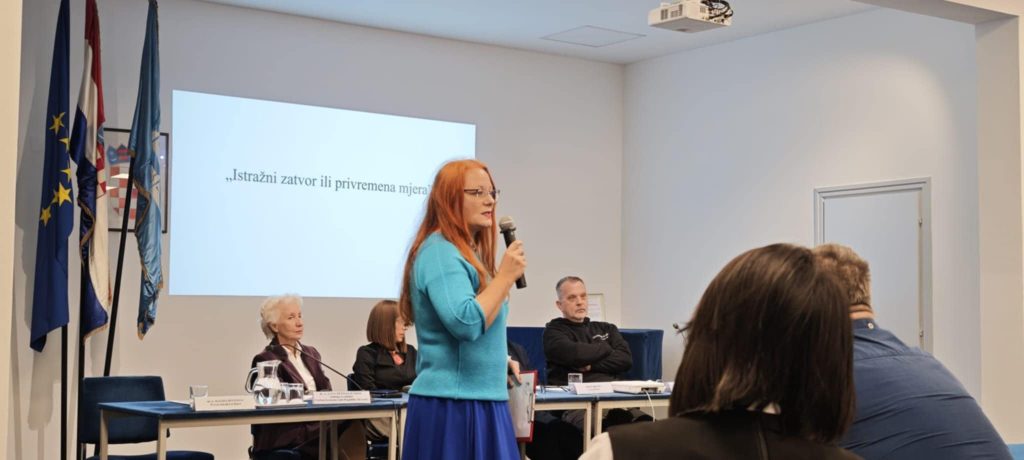
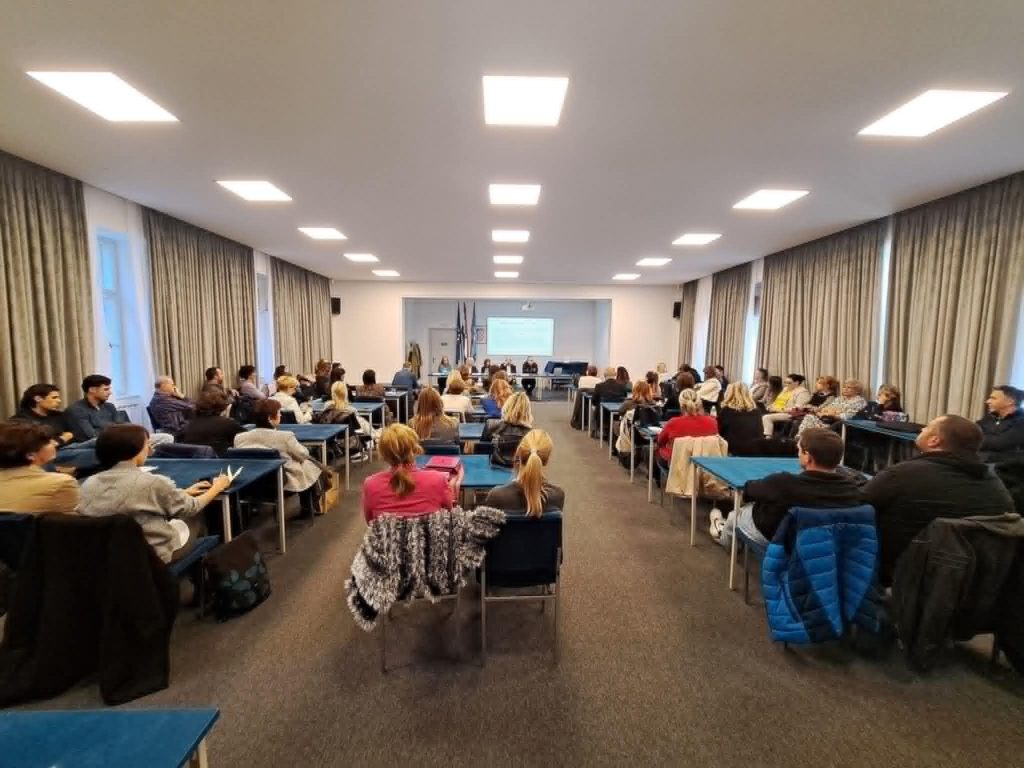
The regime governing the enforcement of pre‑trial detention for juveniles is one of the central issues concerning the procedural status of minors and remains an area in which no unified professional consensus has been reached. To clarify statutory provisions and practical approaches, and to identify measures needed to improve current practice, the Association of Youth and Family Judges and Specialists organised a professional symposium titled “Pre‑trial Detention or a Temporary Measure” on 4 November 2025. The event was moderated by Assoc. Prof. Dalida Rittossa, Ph.D.
Within the framework of the lifelong learning programme “Law in the Community,” a training session was held for the staff of the Community Service Centre Tić Rijeka
To ensure that scientific knowledge contributes directly to the advancement of community welfare, the lifelong learning programme “Law in the Community” continues to be implemented as part of the ZaRIV#vulnerability project. The professional training of experts who, in the course of their daily work, safeguard the rights of the most vulnerable groups constitutes a direct mechanism for enhancing the well-being of both individuals and the community as a whole. Pursuant to the agreement with the Community Service Centre Tić Rijeka, researchers Prof. Marissabell Škorić, Ph.D., Prof. Sandra Fabijanić Gagro, Ph.D., and Assoc. Prof. Dalida Rittossa, Ph.D., delivered a training session on “The Phenomenon of Child Sexual Abuse and Legal Responses” on 21 October 2025.